New Camera!
Looking through this site, and indeed looking myself through my hard drives, it’s noticable how much less photopgraphy I have done over the last few years. For various reasons I have been walking less, I’ve also been painting more, and as I realised in Newcastle last month, dragging a large DLSR around all the time is becoming cumbersome. I do use my phone and I have always been a great proponent of the idea that the best camera is the one you have on you but I still cannot fully come to terms with going phone only, however good modern phone cameras actually are.
After some musing, I decided to invest. I’d like to say quite seriously, and after spending £999 it certainly feels that way, but I have to say I was slightly shocked at the price of a good small format mirrorless camera when I went to discuss the matter in Wex, I expected a starting point of 5 or 6 hundred as (and to be fair there are some at this price) but what I wanted was something advanced but small. While I have resisted for a while and have been quite a stick-in-the-mud in relation to SLRs, I rreally didn’t want to just end up with the new same system.
So, I have a shiny new Fuji Xt-30iii – despite the price, the baby of the range, but is an incredibly good bit of kit.
I thought about trading in my 60D, but the price that Wex offered – a shade over £300 for the camera, the Sigma 10-20 and the sigma 17-50 didn’t really seem worth it; although they are old they are in good condition and cost me nearly £1500 new. I’ll consider the mattter further another day. My other concern abour mirrorless is that I have always hated electronic viewfinders, as as I am very long sighted this was another concern – but the XT-30iii has a pretty solid dioptre adjustement and is actually pretty good – and I can use it with my glasses on which is actually useful over the SLR. Wex didn’t have stock in the end, after showing me one in store, but Argos saved the day.
I’m gonna dive quite deep into the features of this camera in future posts as I learn its ways, but very breifly, it obviously covers the full range of semi-manual and manual modes like any DLSR. It also has the intelligent scene modes that have been the mainstay of compacts for the last 20 years. It obviously shoots RAW, but has some pretty nifty processing options, including film simulation, filters, and you can save recipes for things like dynamic range, tine curves, sharpness and so on for the in camera processing to jpeg. All in all, in terms of less weight, less editing and more taking pictures it’s a pretty good thing.
In this post I am just going to whizz through a few of the first tests I did, mostly intuitively before really diving into the manual.
These are just a few from round the garden and outside the house. These were shot mostly on Auto, and minimally edited in lightroom, as I found them very slightly under how I like this kind of image.
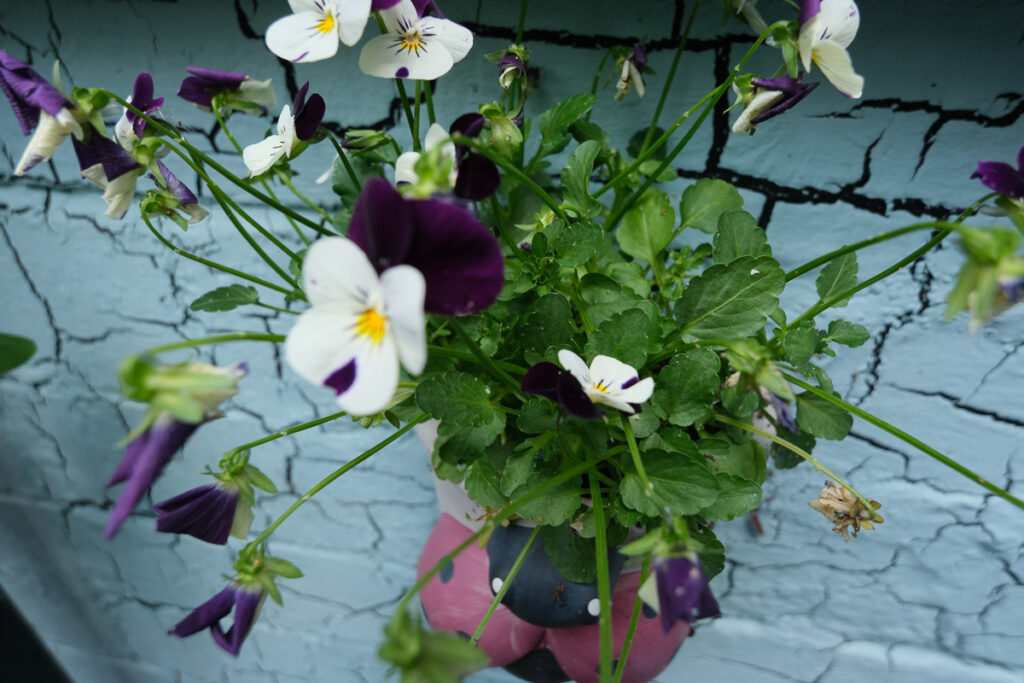
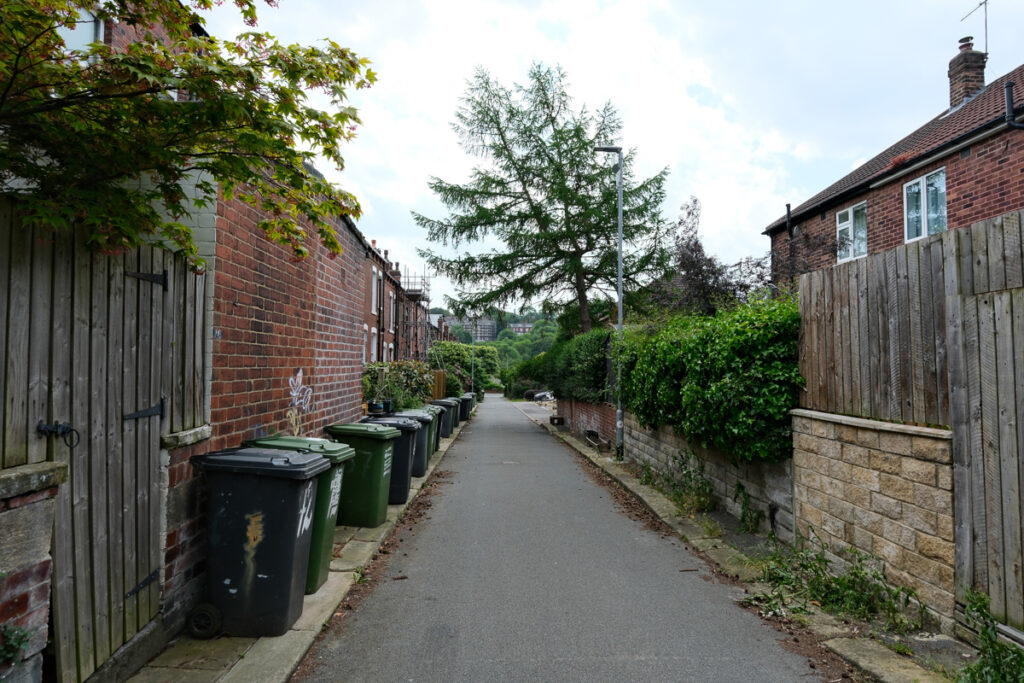
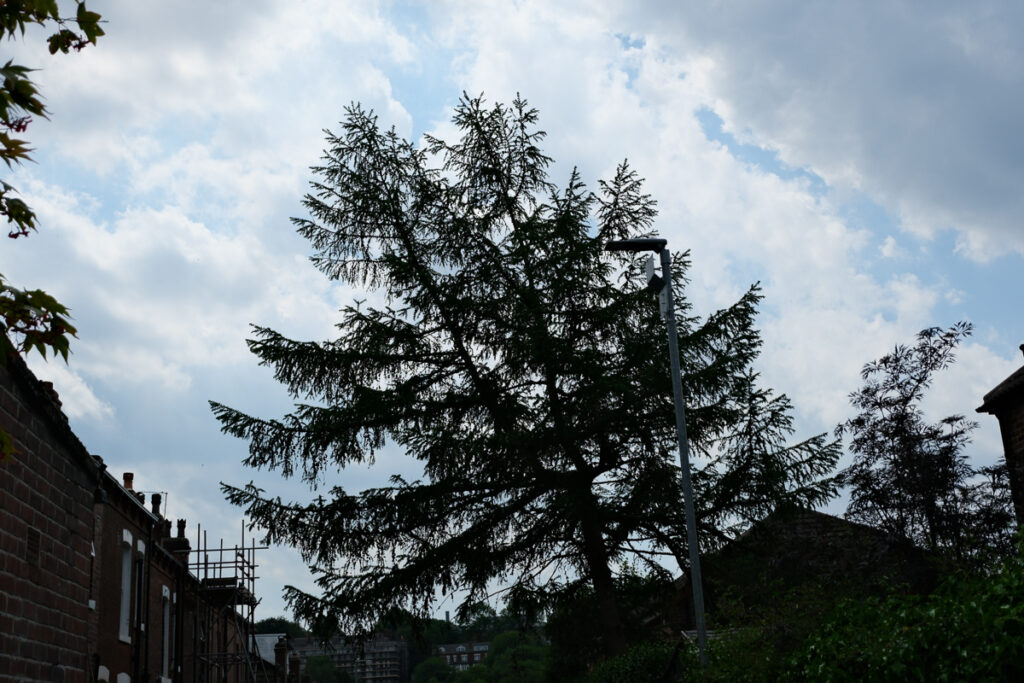
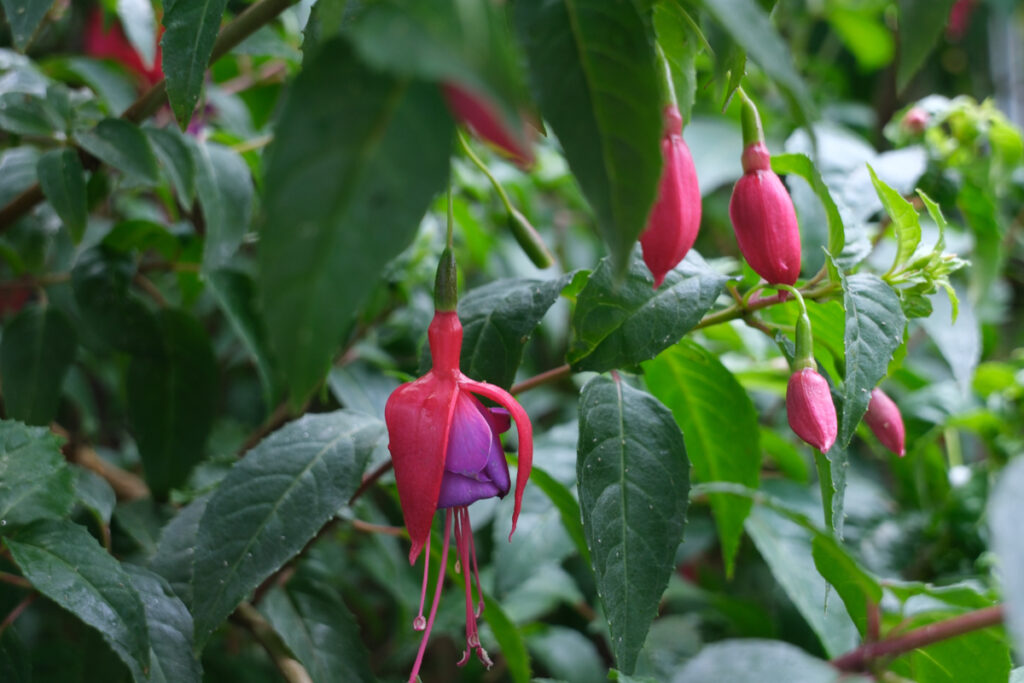
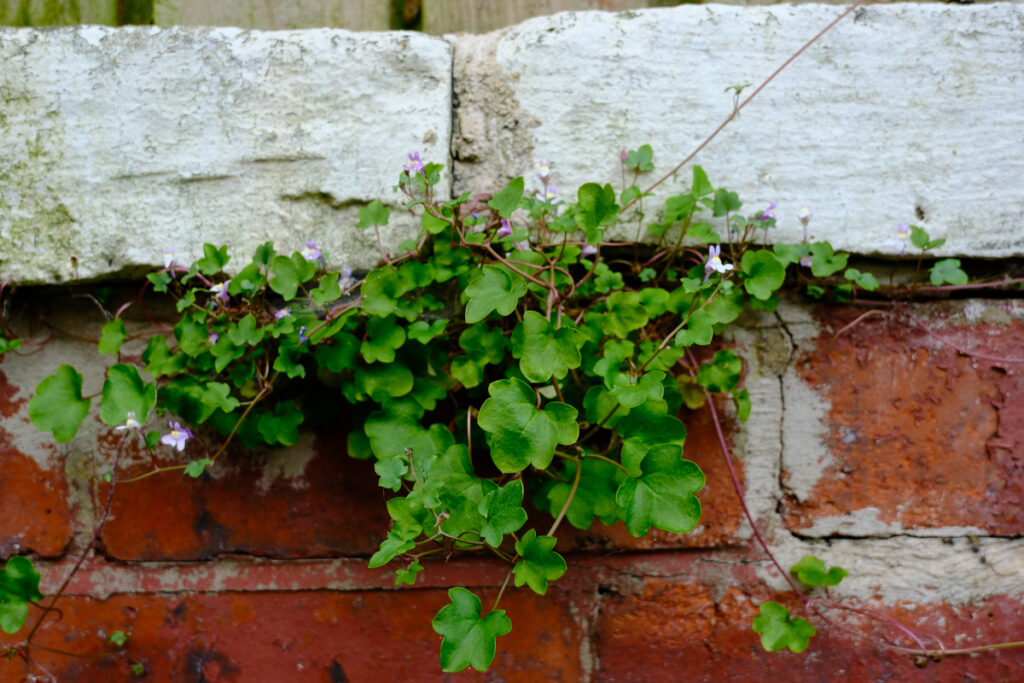
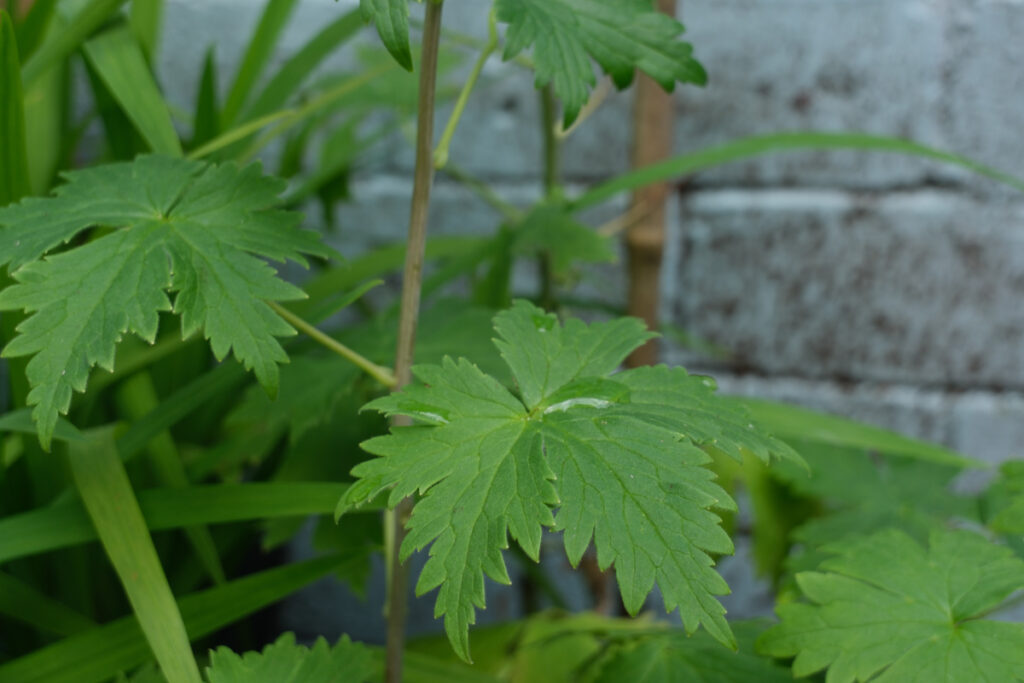
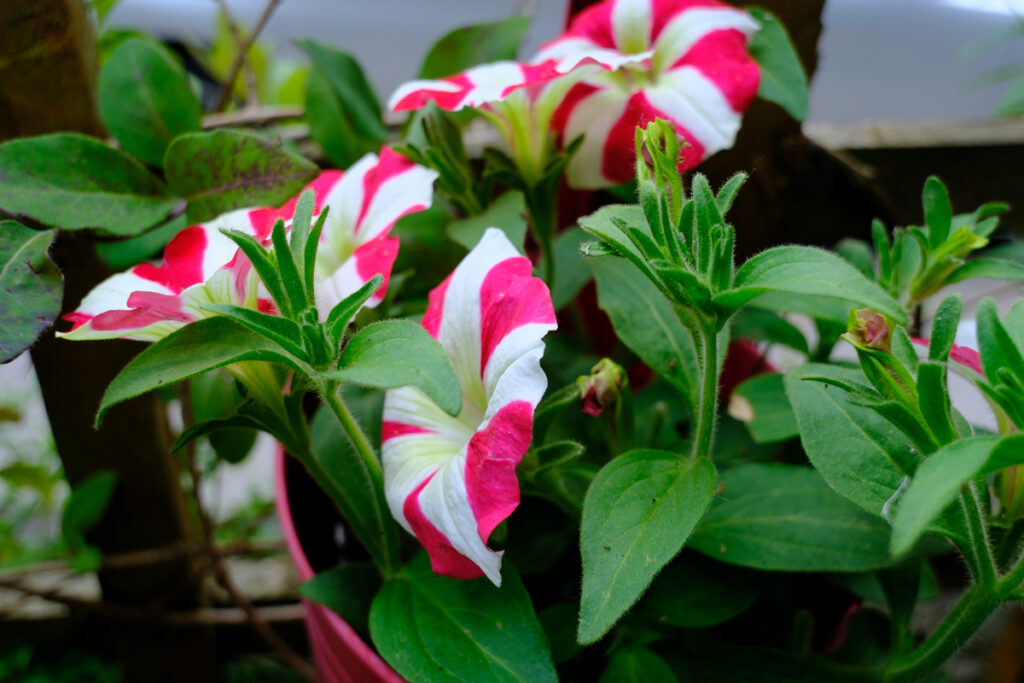
The camera came with a 13-33mm f/3.5-6.3 kit lens. This is, like all kit lenses, nothing super, but as adequate as many I used on my DLSR for some time, sharpness is pretty good most of the way through. The autofocus on the camera is fast and comprehensive, right from a single point up to all 425 across the frame, with AI priorotising (inclding trains) which makes life quick and easy. There’s good detail to the images.
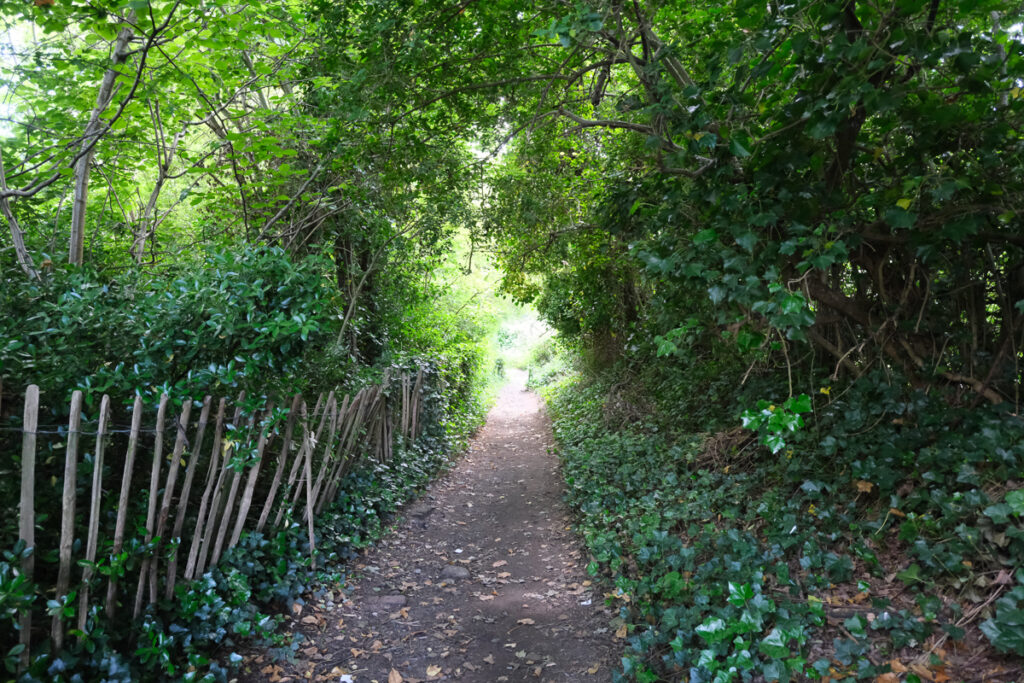
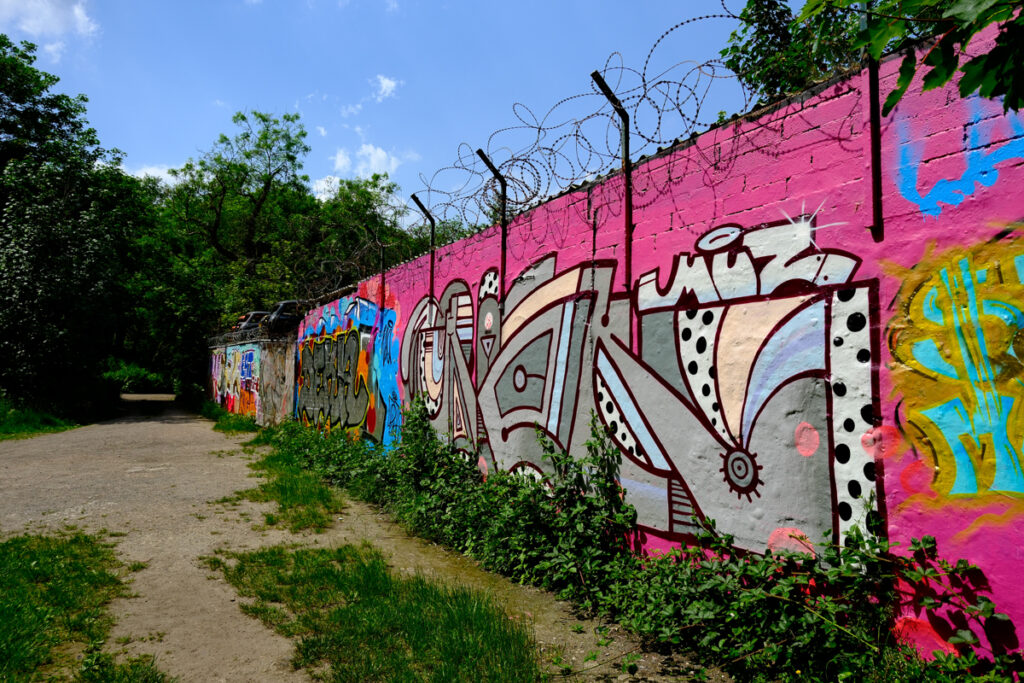
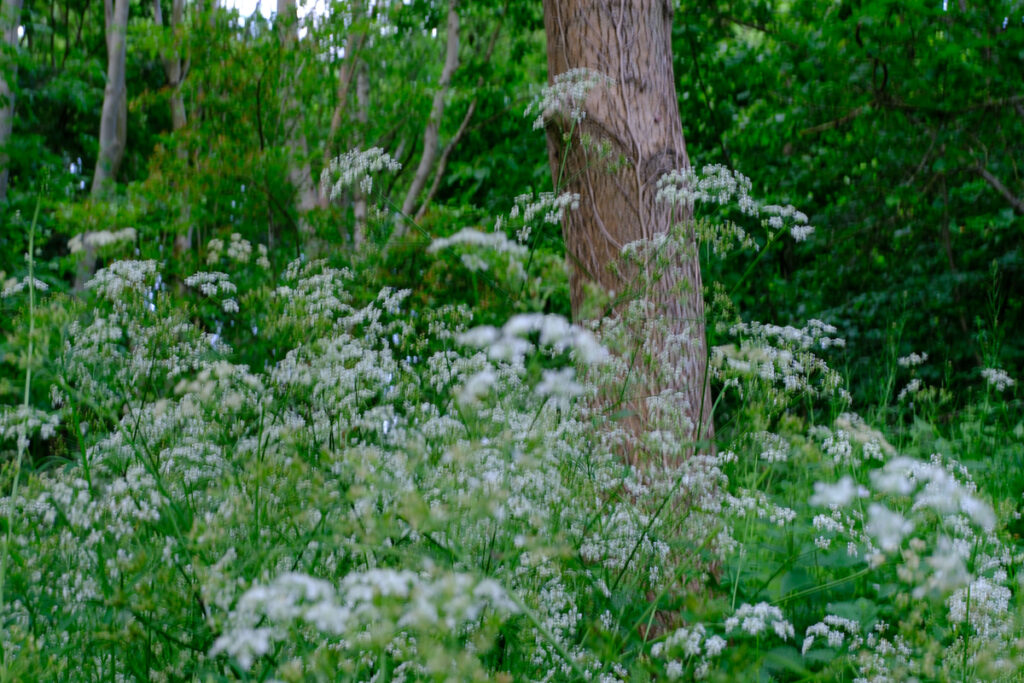
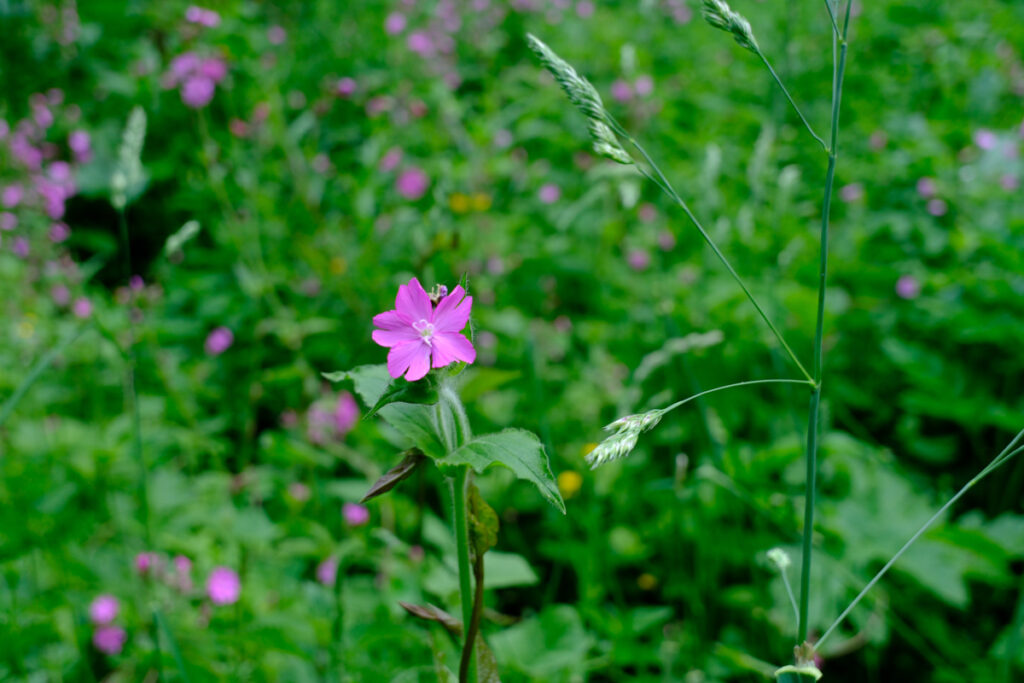
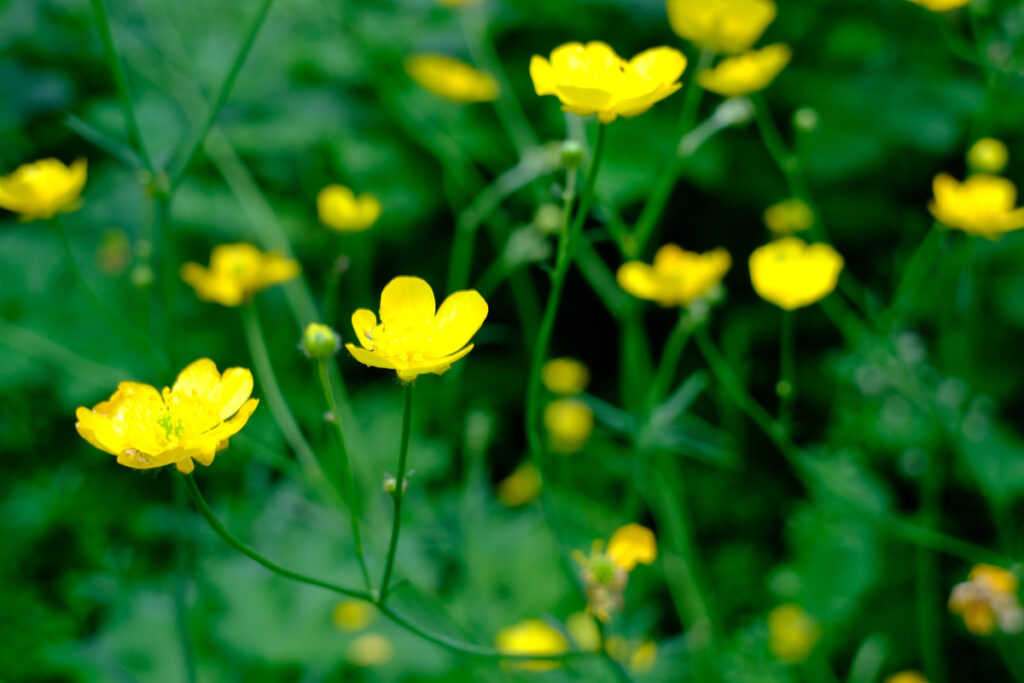
I took it out for a little walk down to Cardboard Hill and got a few general landscape and nature shots. A couple of things I will note though – I messed up quite a few from slow shutter speeds, and some of these were even at 1/30s! I think there’s a couple of things here – with the DSLR the very slight latency for the mirror to get out the way means you are less likely to jog the camera, and the whole thing is much lighter. It does have a mechanical shutter and an electronic shutter, so I will have a play with these to see how to improve my technique. The other note from these – I was a little concerned that the celandine was a bit burnt out in the yellows – this is the Velvia setting which is super saturated like the film – though there’s in camera controls that can help with this. I’ll talk more about the film simulations later.
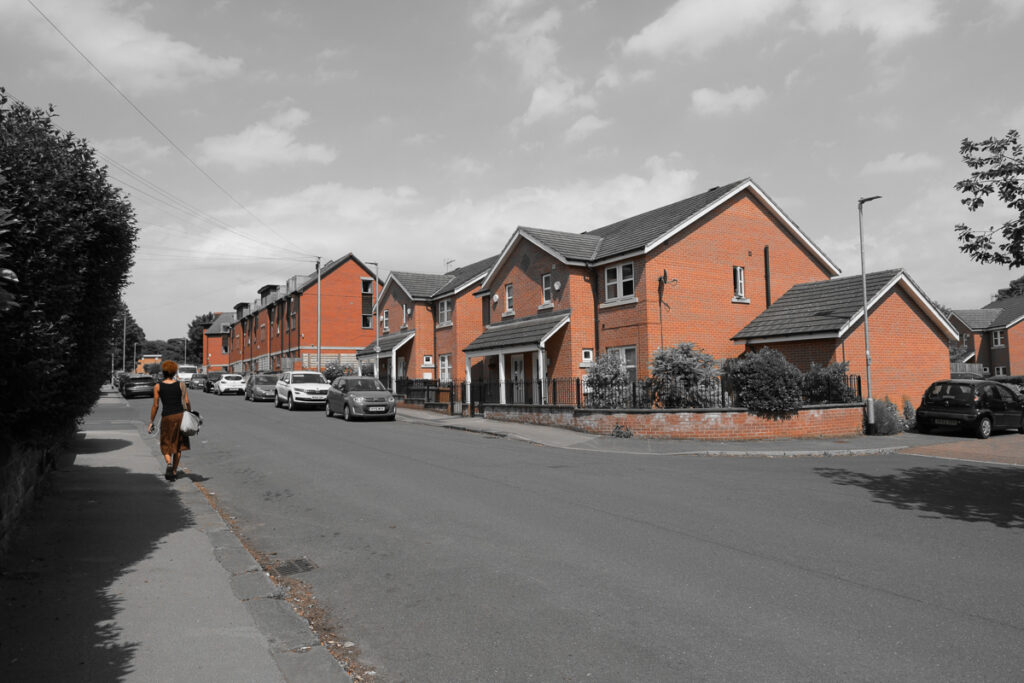
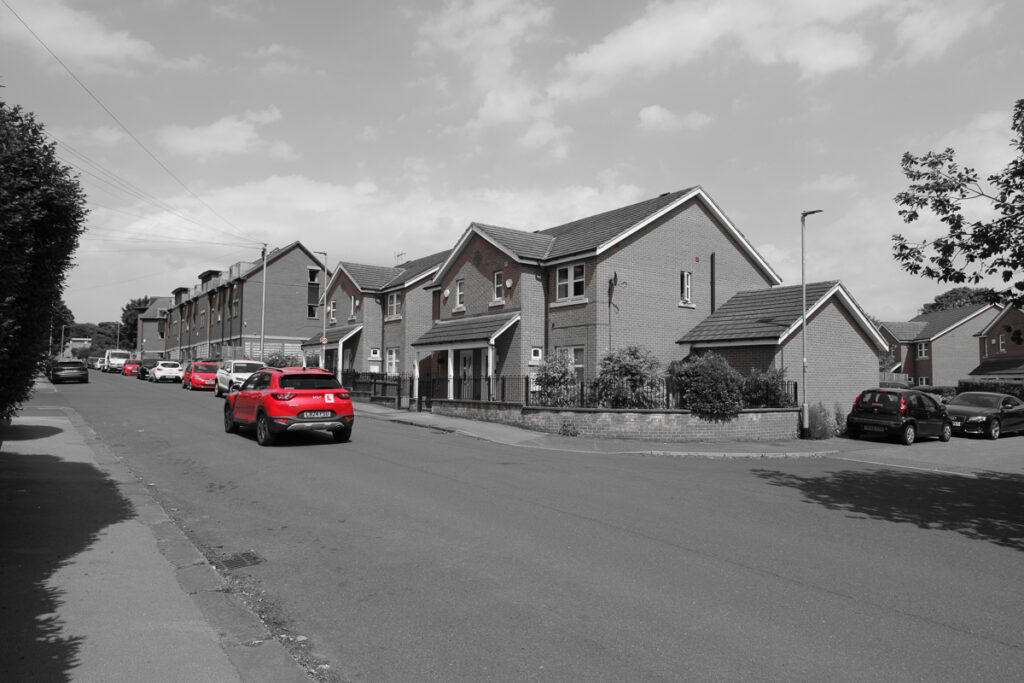
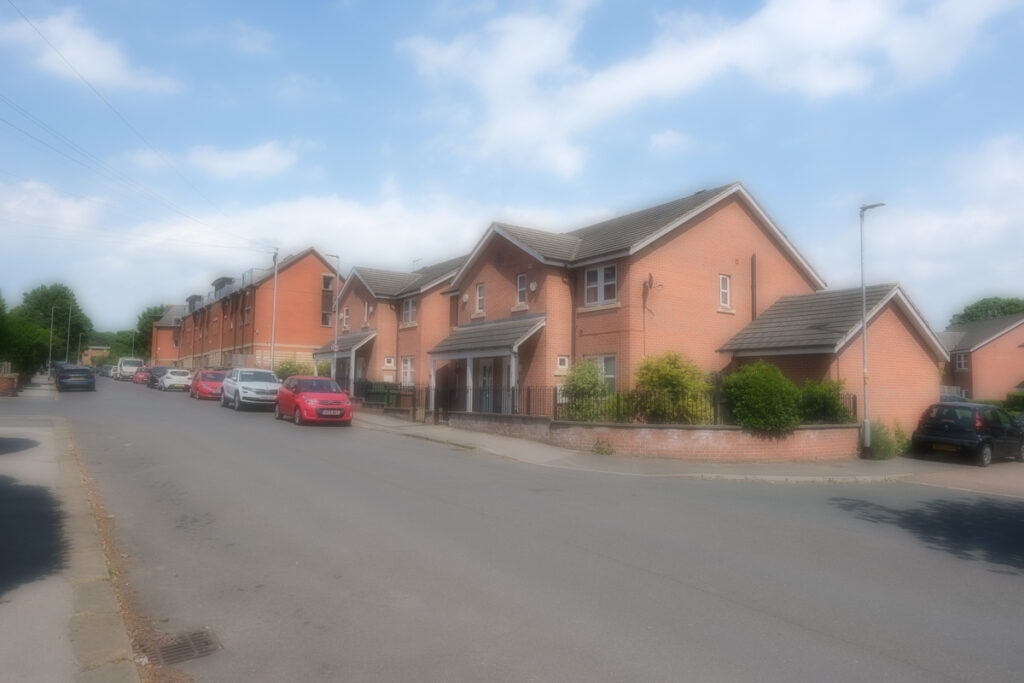
I also had a quick play with some of the filters. Now this of course is something that could be seen as a bit of a gimmick, but they are there if you want them. I particularly like the colour pop where the orange filter has picked up the woman’s skin and the houses. I will run through these in more detail in a future post.
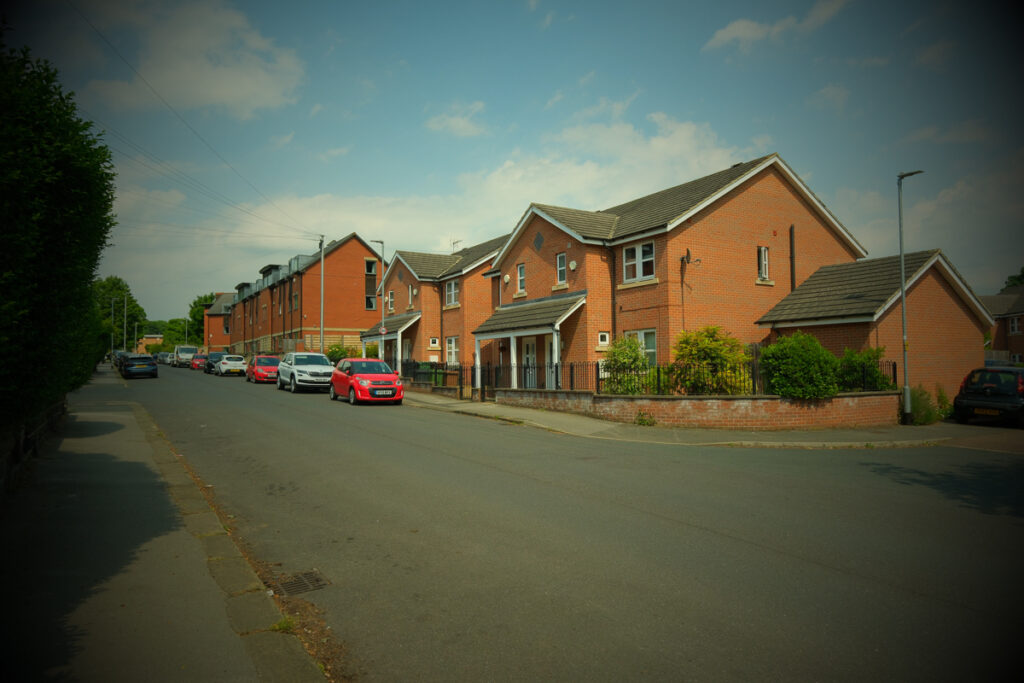
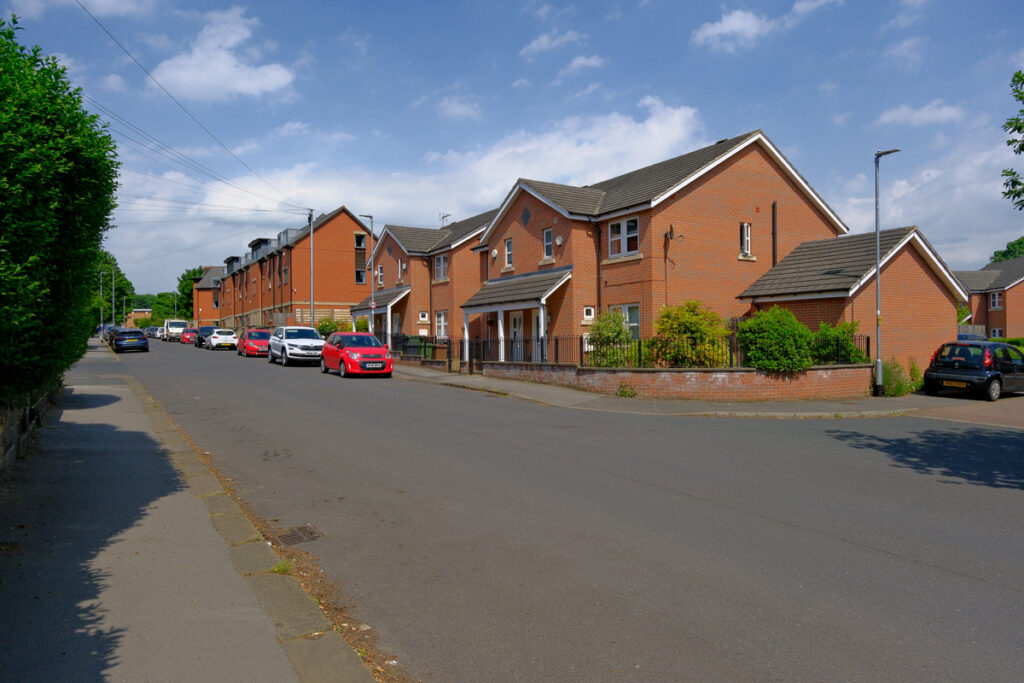
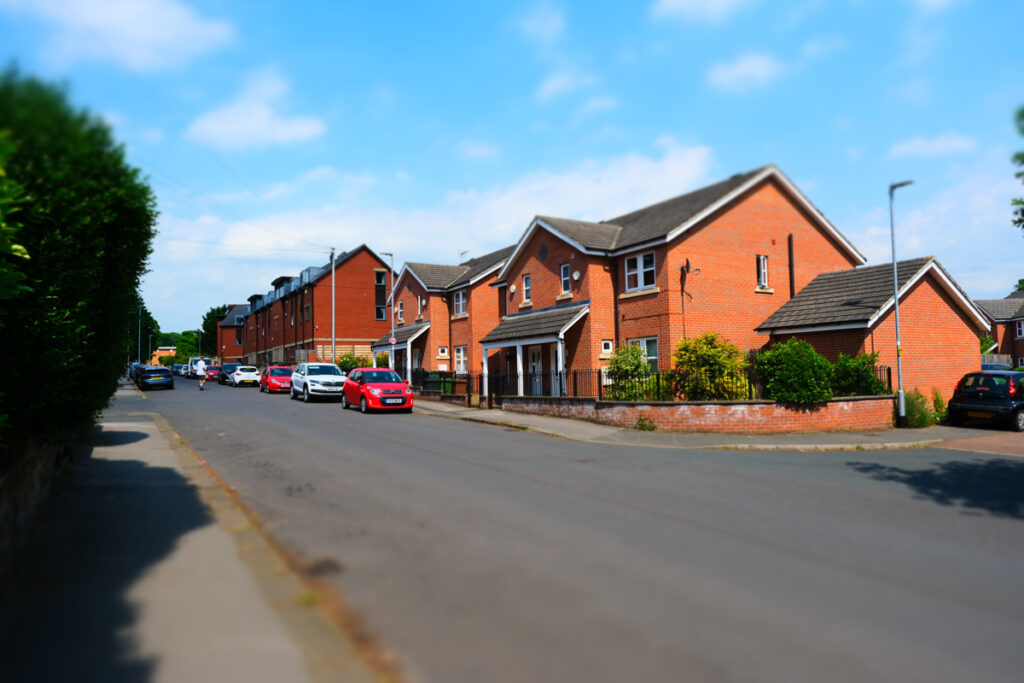
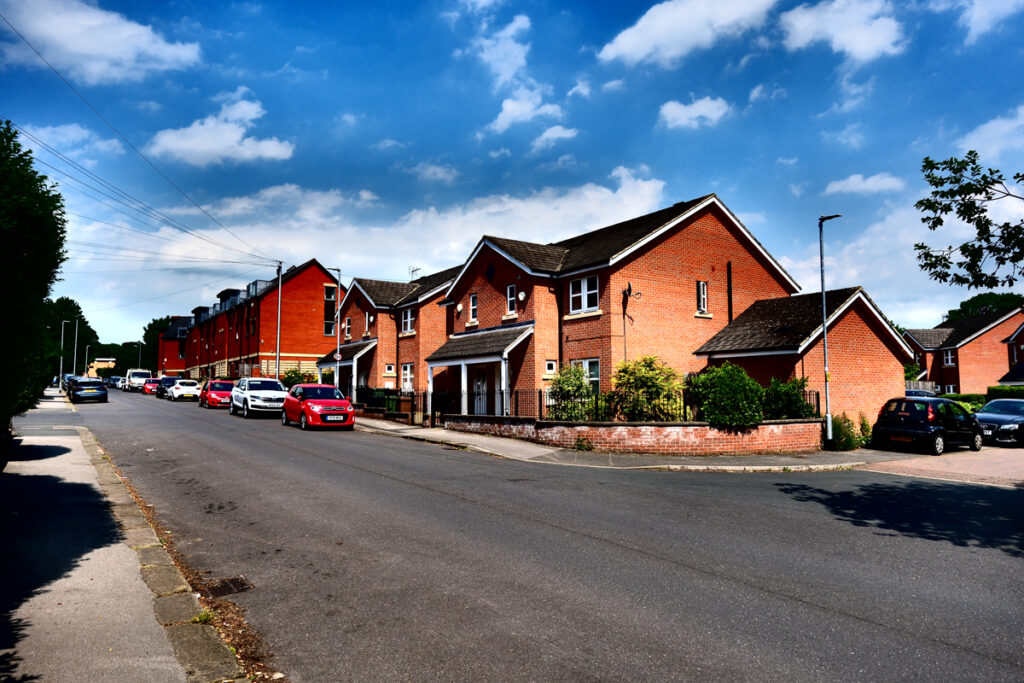
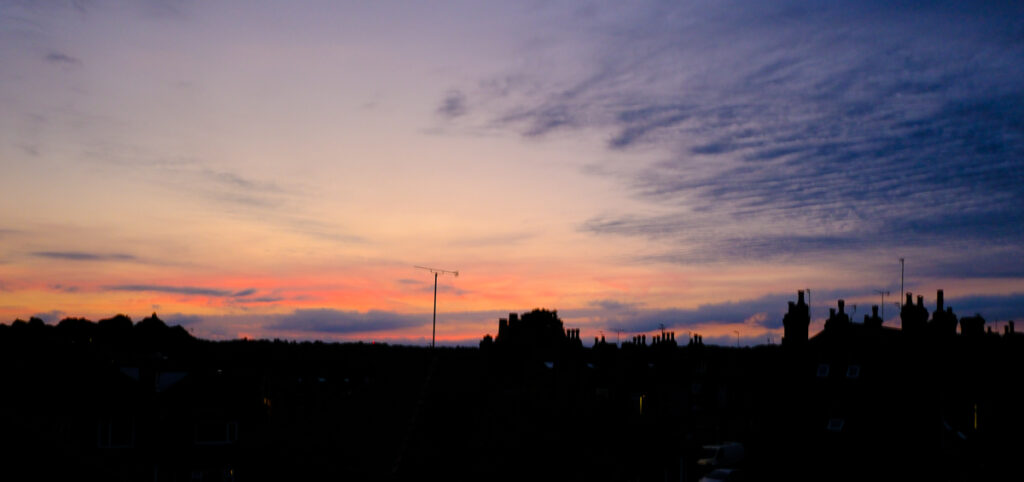
I’ve yet to play in detail with the scene modes, and this is something I will probably use least, but I did have a quick try out of the sunset mode. This picked up the coloirs and tones nicely, but was not as saturated as I expected – especially compared to my old Fuji A800 – though I will play with this further. I boosted this a little in lightroom. This will be a good one to paint I think!
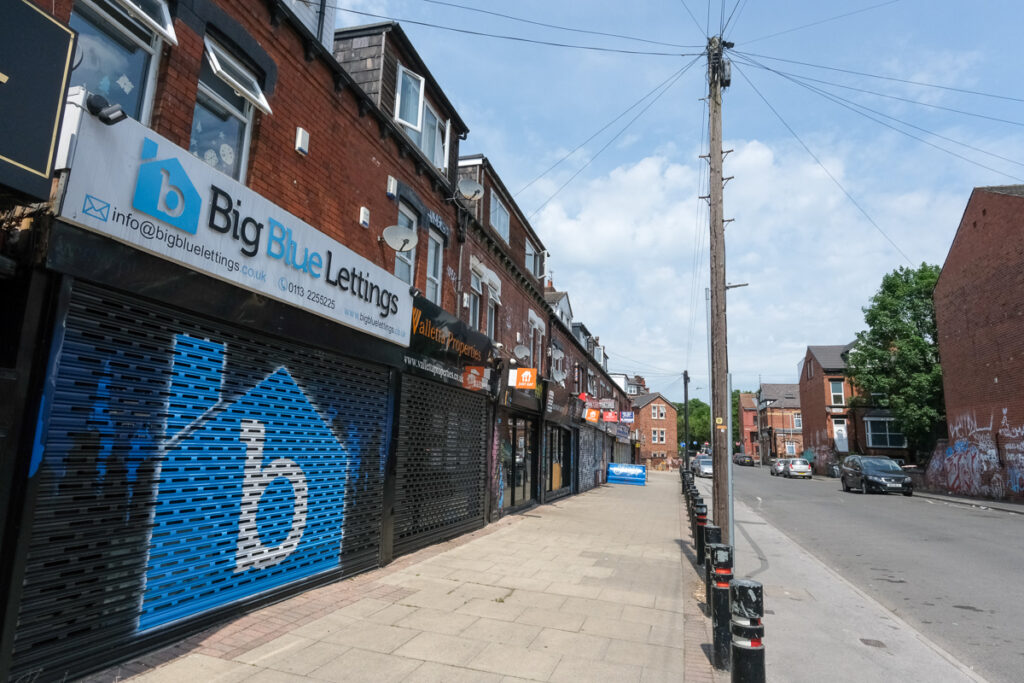
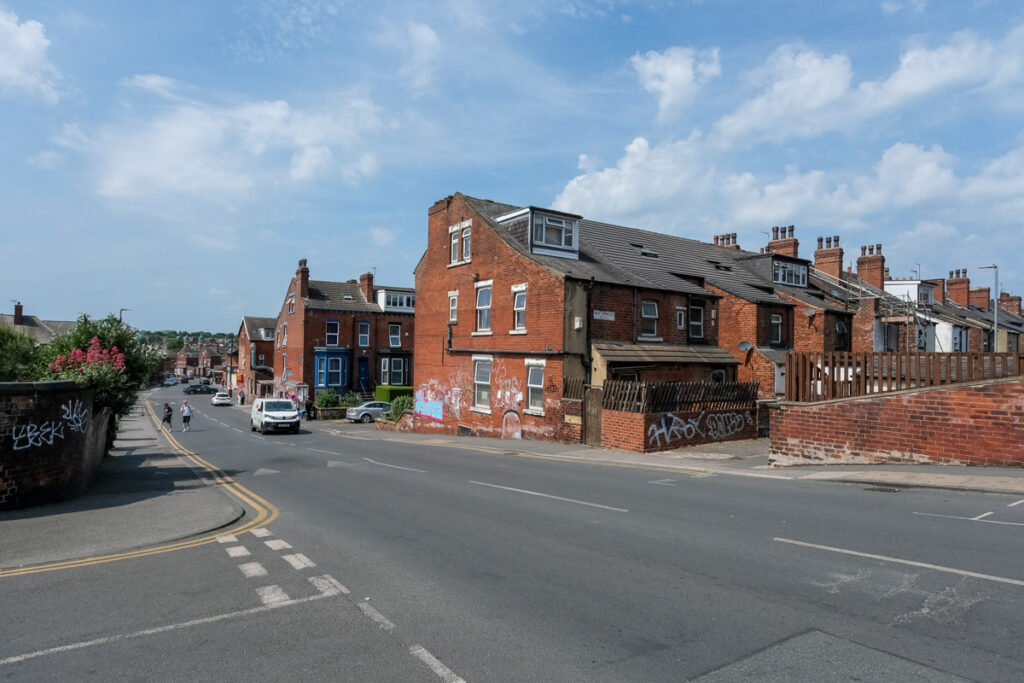
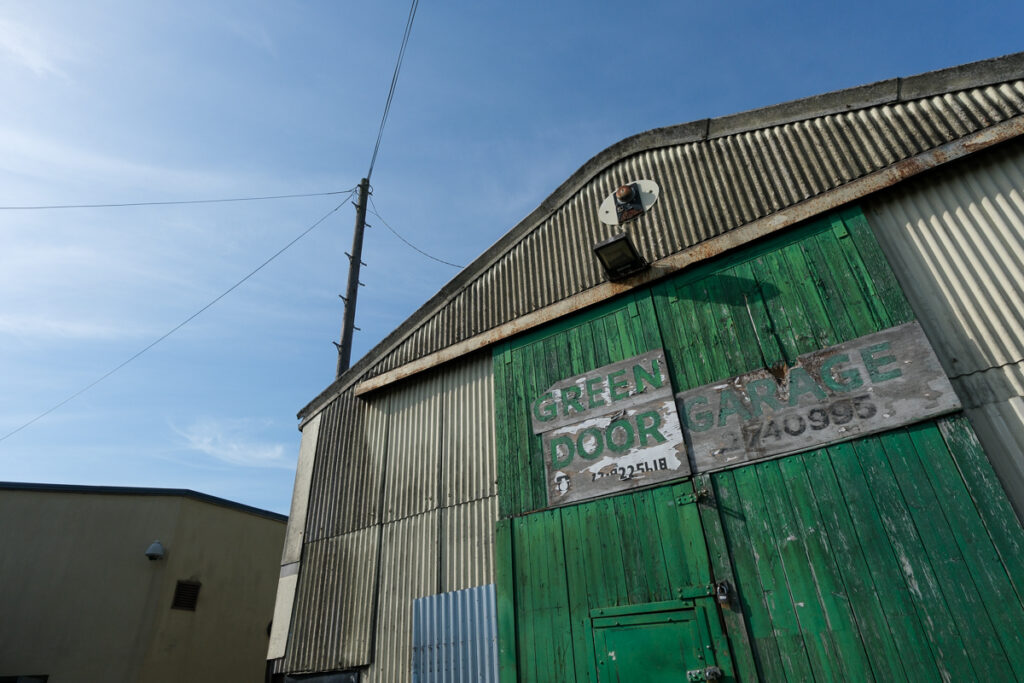
I took the camera on a little walk to Hyde Park the next day. The shots on the ridge where the contrast is high did need a bit of tweaking in Lightroom, but I am pleased with the colours and saturation. Like anything obviously the nicest results are in the nicest light as the shot of Devonshire Hall and the alleyway on Cumberland Road show. I am going to have a good root round in the settings to explore how the camera can render dynamic range in jpeg processing.
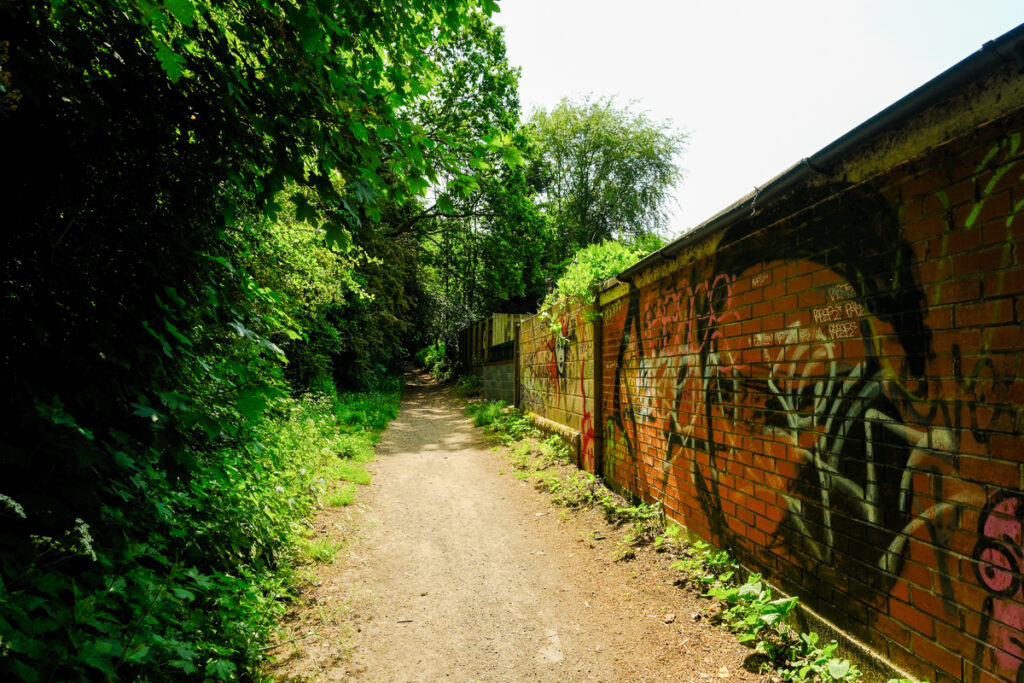
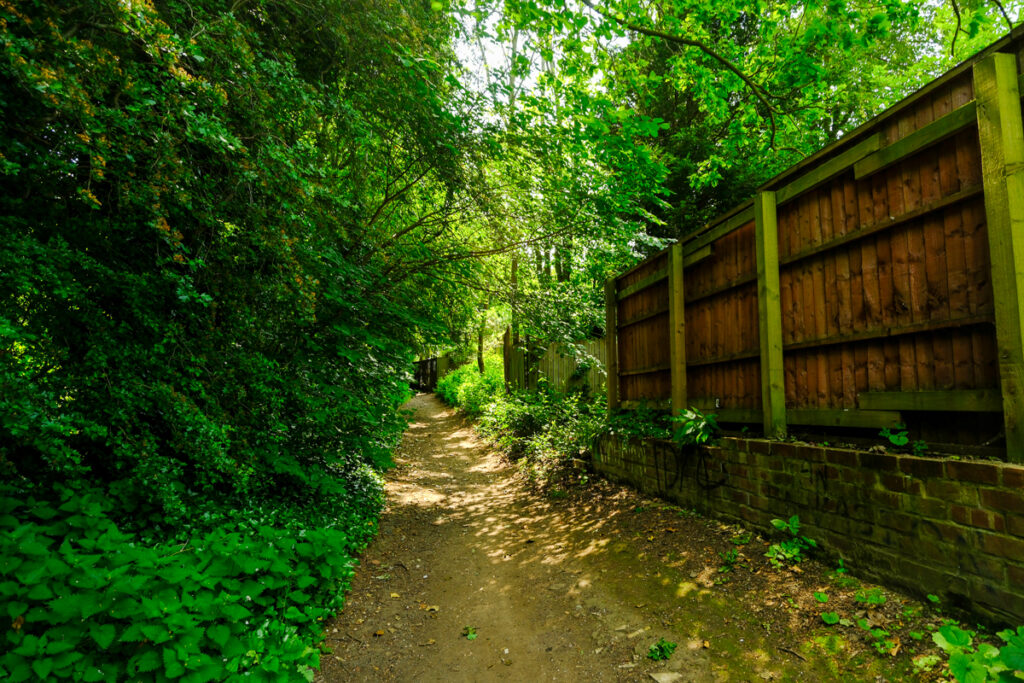
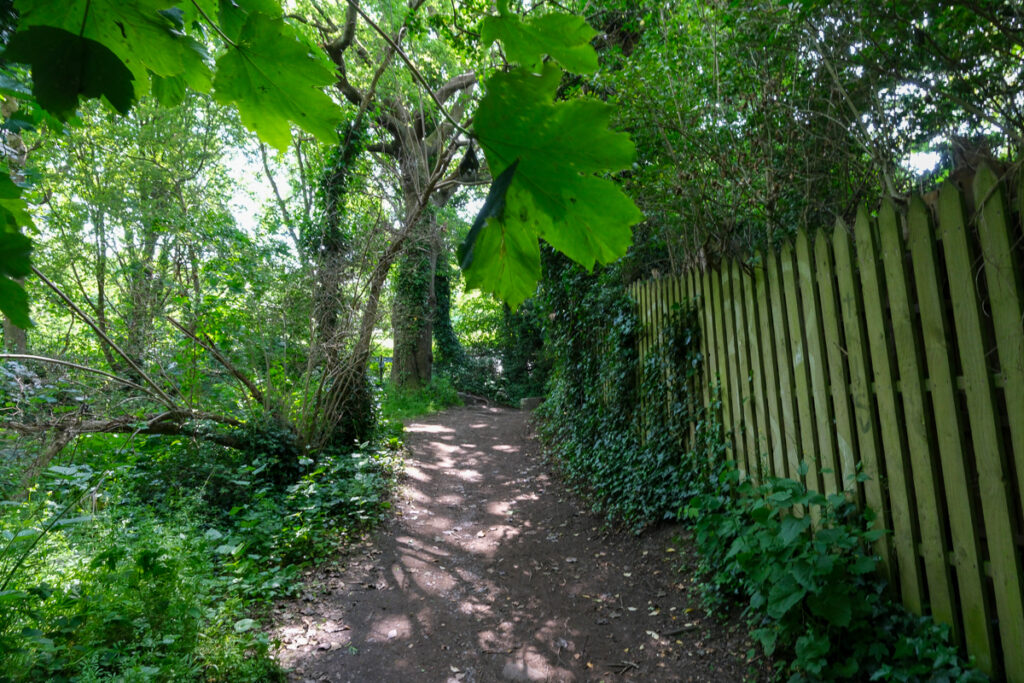
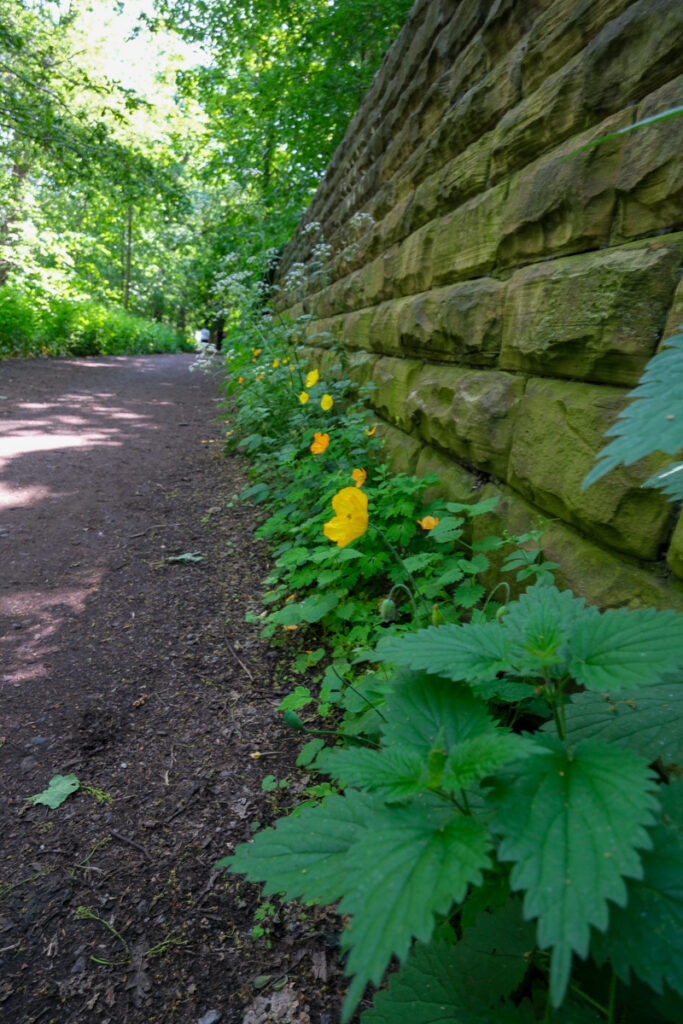
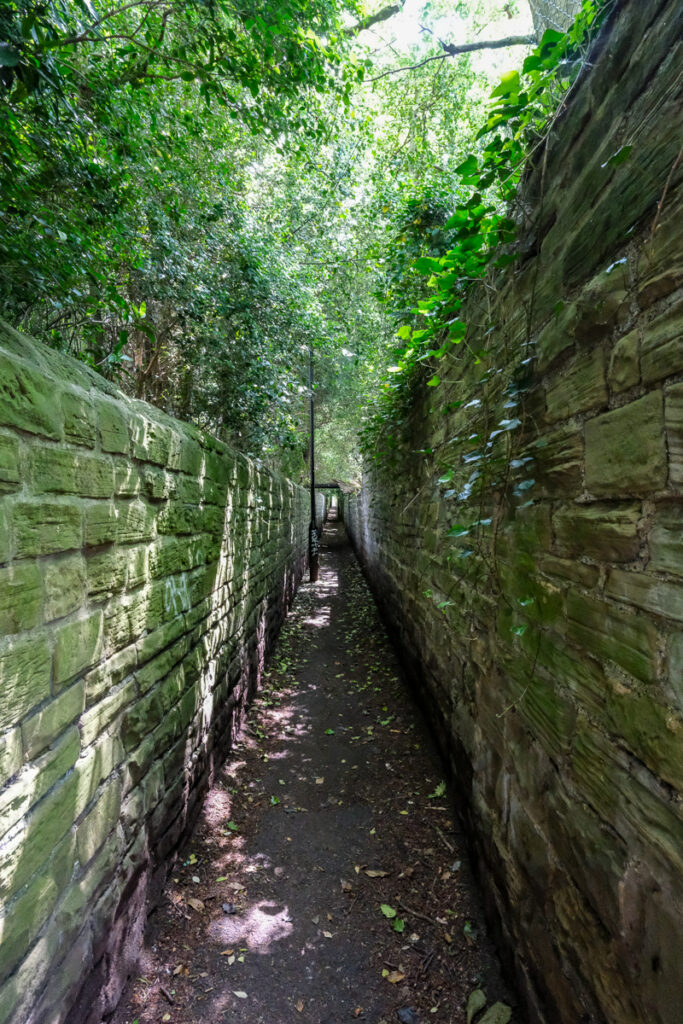
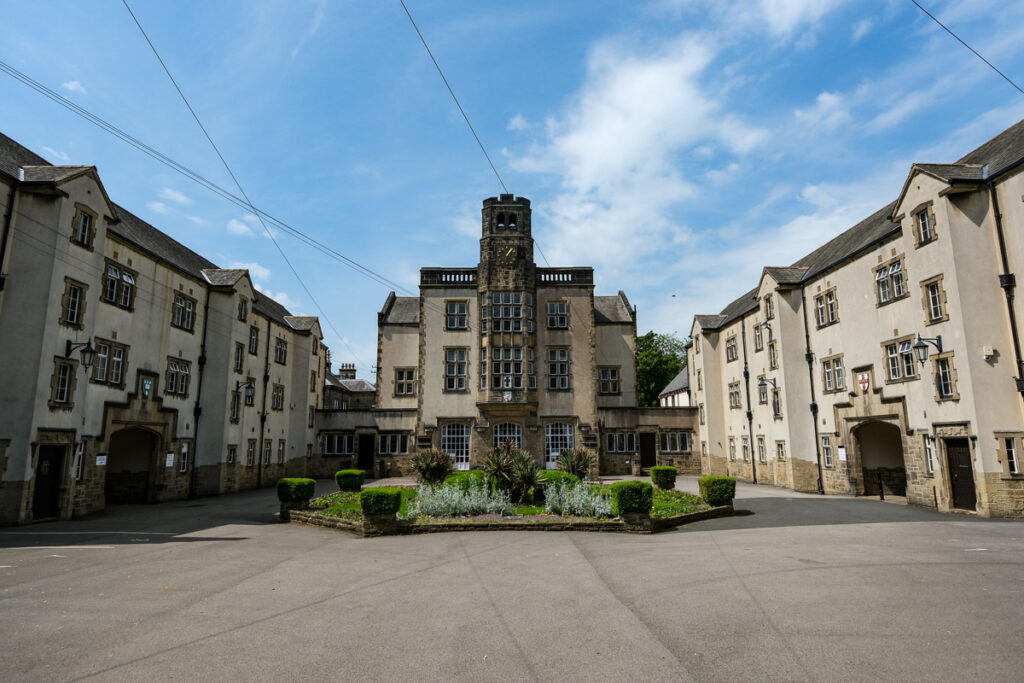
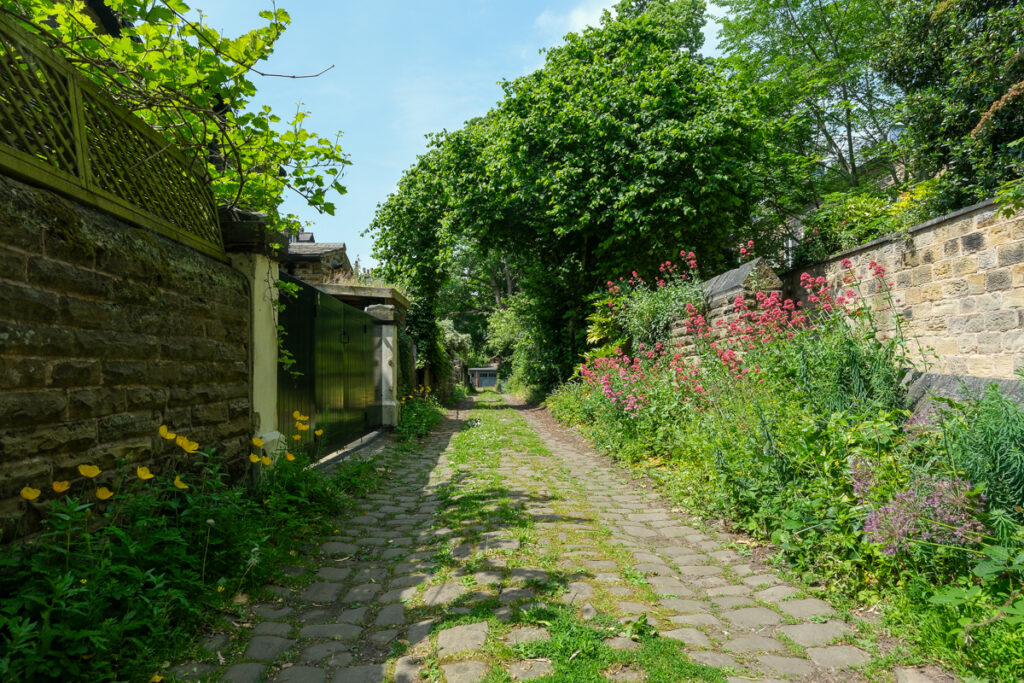
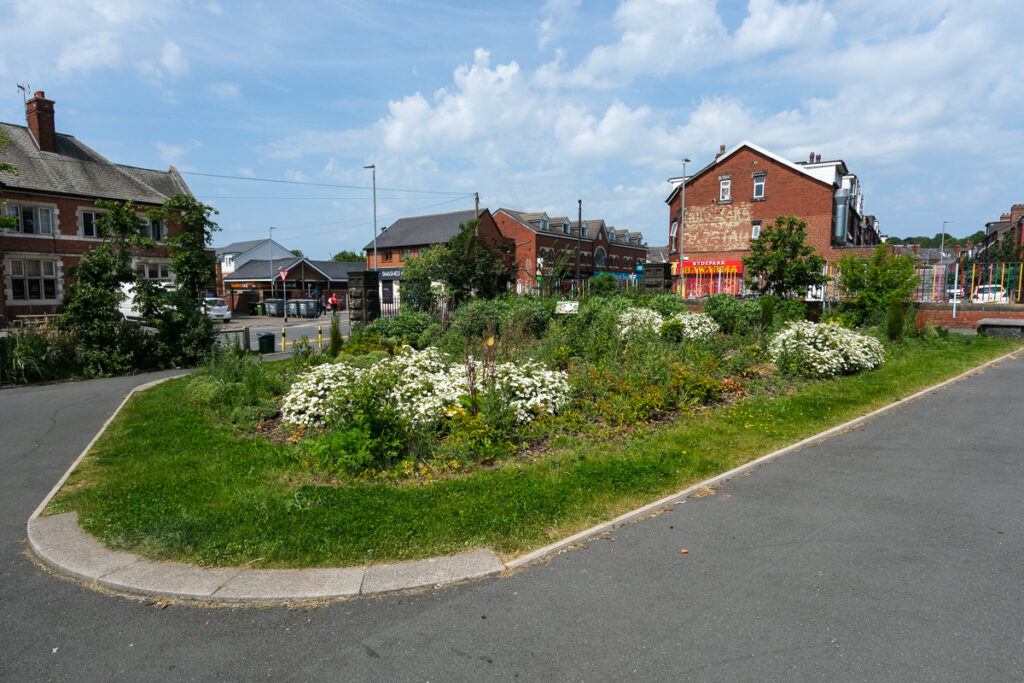
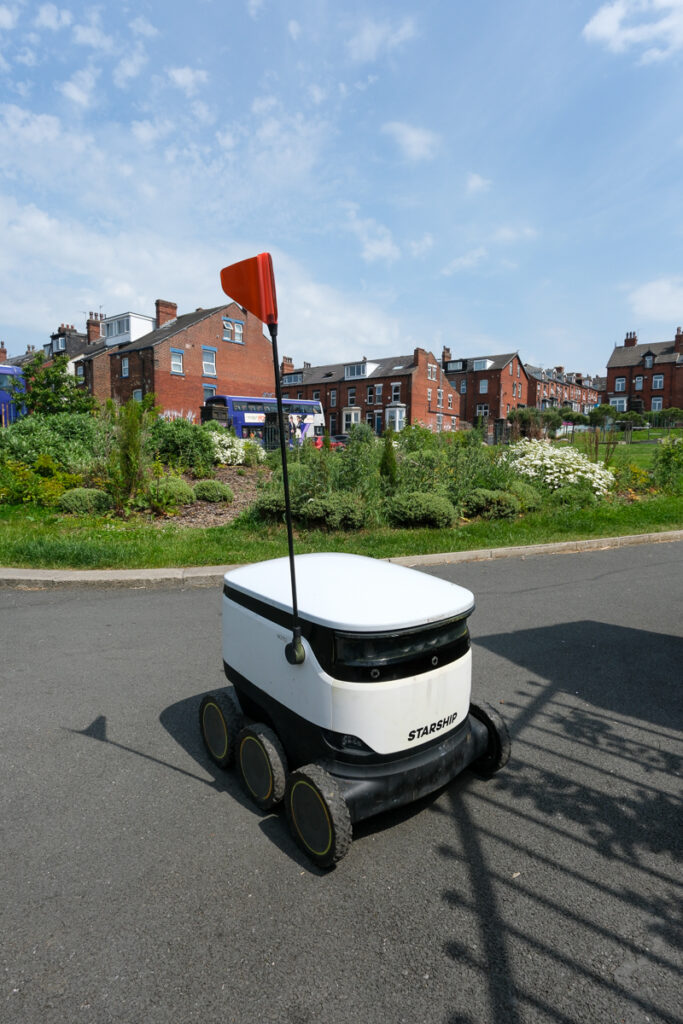
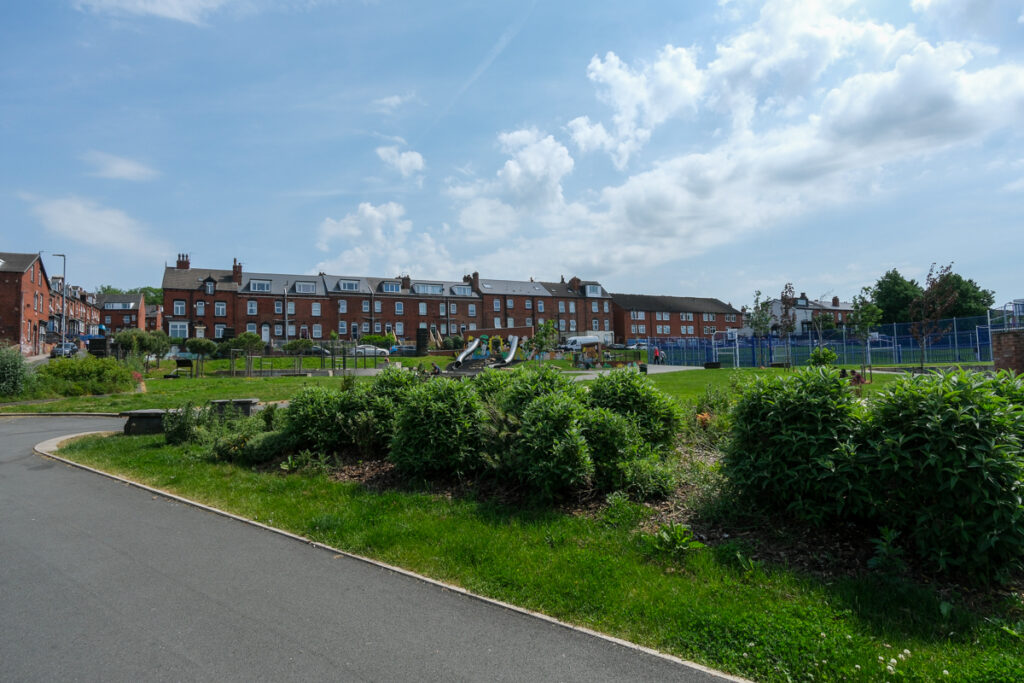
Having done a LOT of photopgrahy in Hyde Park over the years, it was good to go back, albeit in a small way and shoot some of the changes, most notably the Royal Park School site, now a community garden and playground.
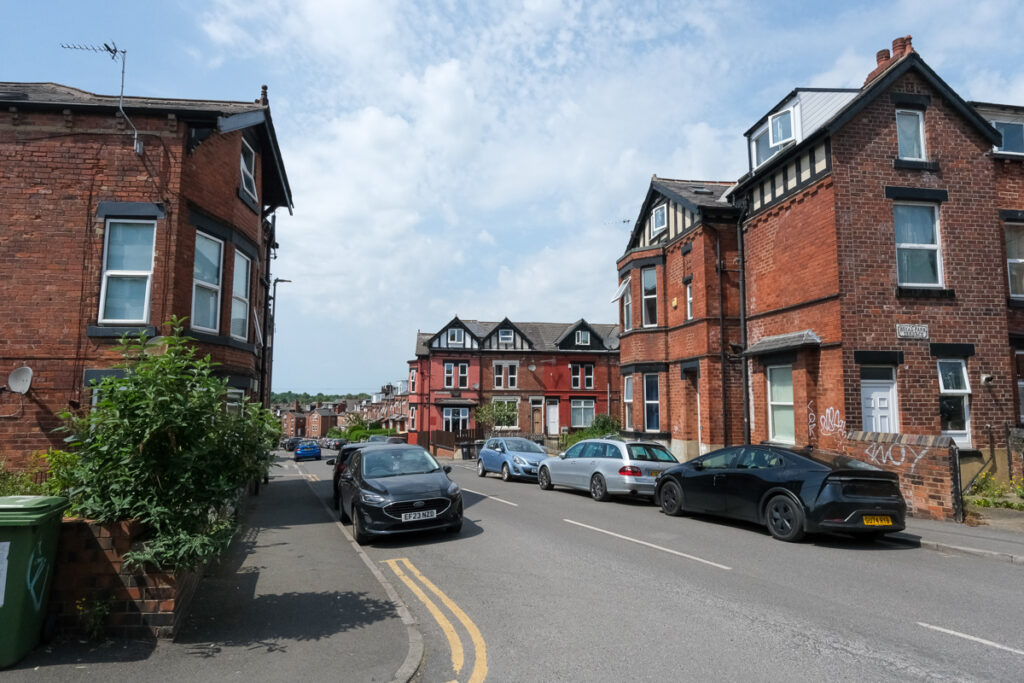
All in all, like anything new, I think the camera is going to take some time to get used to – it certainly packs a lot into a small package, but overall, I think it will give a bit of a boost to my photographic practice and be very useful when exploring on city breaks, as I do much more nowadays!